The Polished Mirror
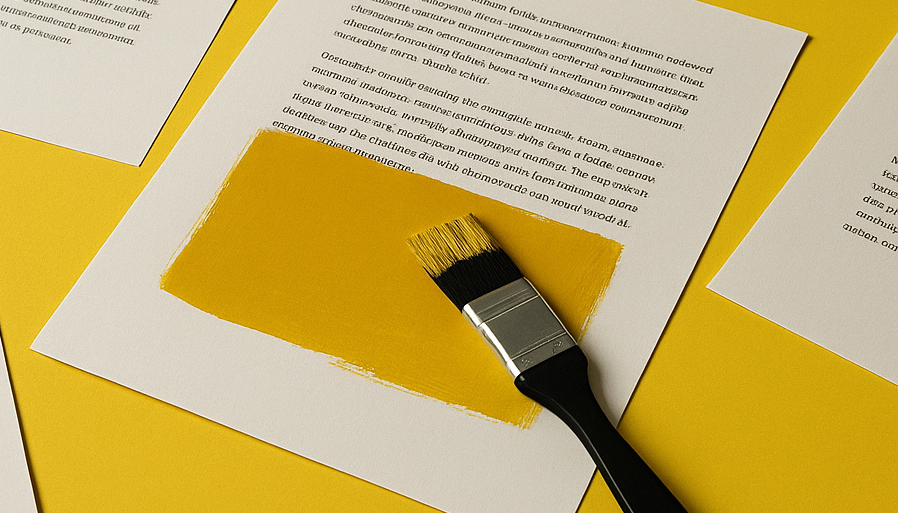
When fixing the surface feels easier than facing the problem.
In many workplaces, progress looks a lot like decoration.
Reports arrive dressed in tidy formatting. Issues are trimmed down until they sound manageable. The tone stays confident, the slides stay clean — and everyone pretends the shine means something.
It’s not deception. It’s habit. The habit of keeping things looking fine when no one’s sure what “fine” even means anymore.
How It Starts
It usually begins with good intention.
Someone wants to reassure the room, calm the higher floor, or just make a difficult update sound less difficult. The gesture works once. Then it becomes a method. Then it becomes culture.
Before long, people stop working to fix and start working to frame.
The Polite Erosion
The system adapts fast.
Those who brush things neatly get praised for “clarity.”
Those who show the messy truth get told to “refine it.”
And so the work slowly turns into maintenance of perception — measured not by what’s achieved, but by how presentable it seems.
The effort doesn’t disappear. It just shifts direction — away from substance, toward symmetry.
The Consequence
Nothing catastrophic happens at first.
Projects still move. Reports still get approved.
But decisions start floating on polished surfaces that no longer hold weight. People sense something’s off, but no one wants to be the first to name it.
Because naming it sounds like trouble.
And trouble ruins the presentation.
What’s Left
Over time, what was meant to be work becomes performance.
No one’s lying — not exactly. They’re just playing along with a quiet rule everyone understands: keep it neat, keep it calm, keep it moving.
By the time the cracks appear, no one remembers what the original problem looked like without the paint.